“Capturing Nature’s Untamed Beauty, One Frame at a Time.”
December 2024 gifted me one of the most serene and awe-inspiring experiences of my life—a visit to the Nalsarovar Bird Sanctuary. Nestled in the heart of Gujarat, this wetland sanctuary is a haven for bird enthusiasts and nature lovers alike.
I was fortunate to have Memud Khan, affectionately known as Nalmemud, as my guide for the day. With years of experience and an infectious passion for wildlife, Nalmemud made the visit unforgettable. His deep knowledge about the sanctuary and its avian residents brought the landscape to life.
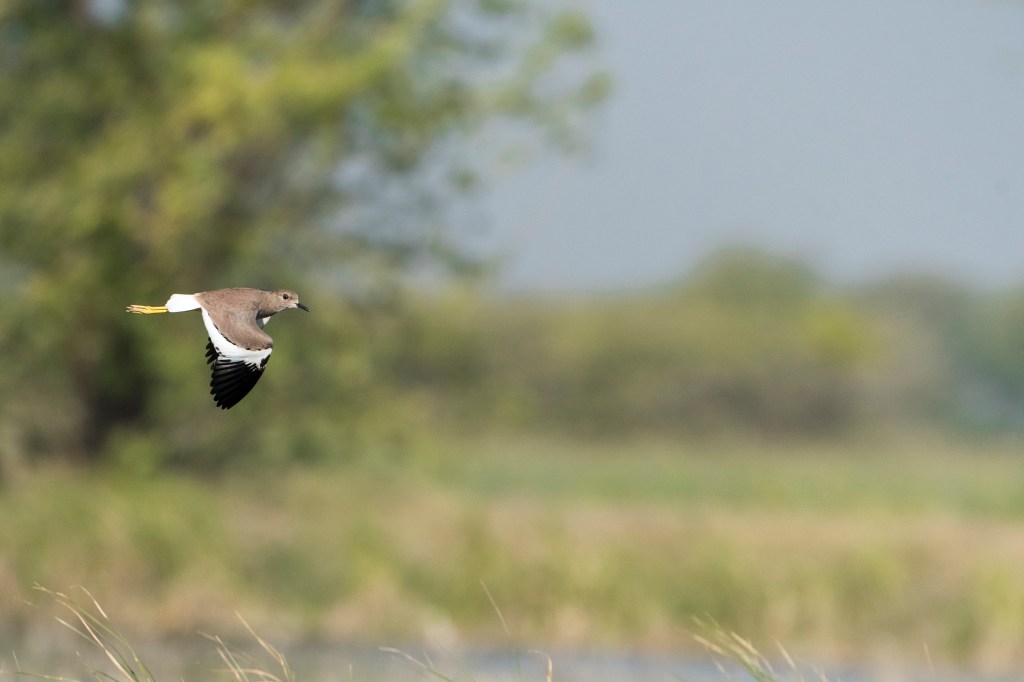
The sight of resident as well as some migratory birds like Namaqua dove, White-tailed lapwing, Flamingos, Pelicans, Storks, and many others—taking flight over the grassland was breathtaking. Thanks to Nalmemud’s expertise, I was able to spot and identify some long-time “lifers” on my birdwatching list. These were species I had dreamt of seeing for years, and it was thrilling to finally witness them in their natural habitat.
I was looking forward to the tranquil boat ride that Nalsarovar is famous for, but unfortunately, it was stopped for an unknown reason during my visit. While this was disappointing, it didn’t take away from the magic of the sanctuary. Instead, we explored the area on foot, soaking in the beauty of the wetlands from the shore.
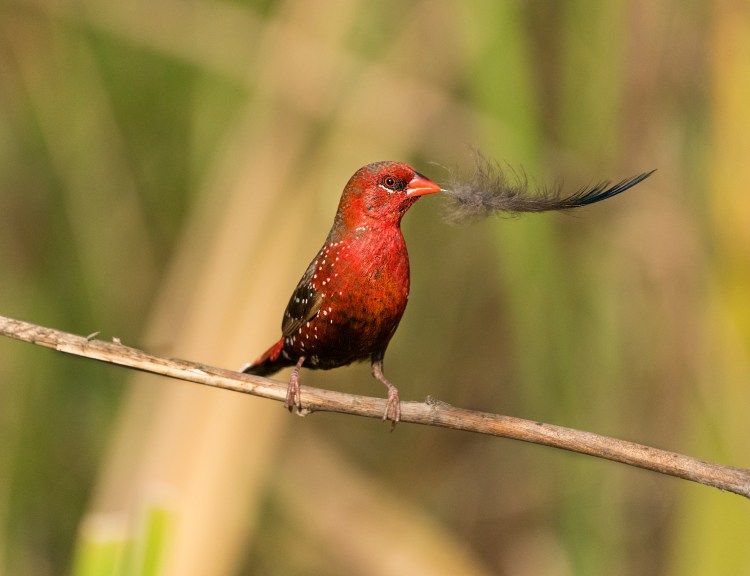
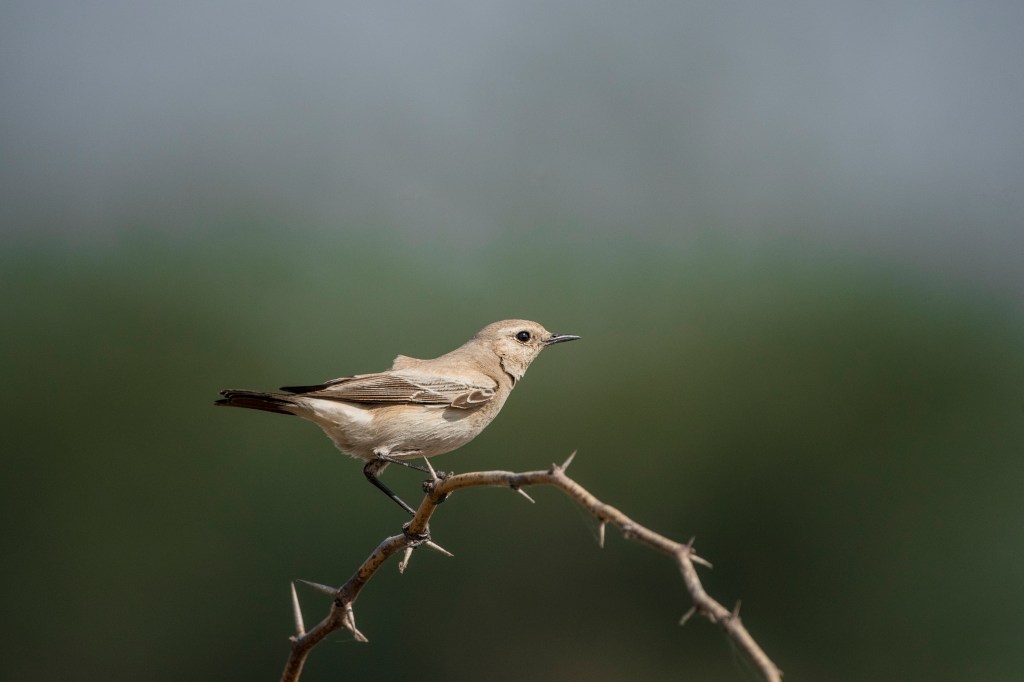
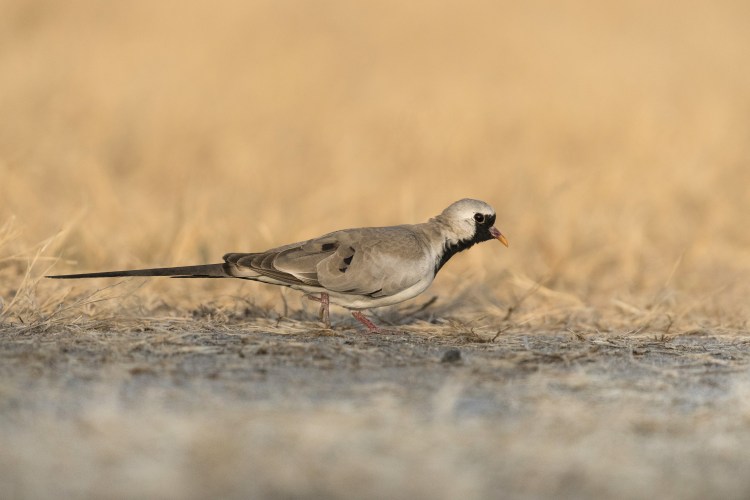
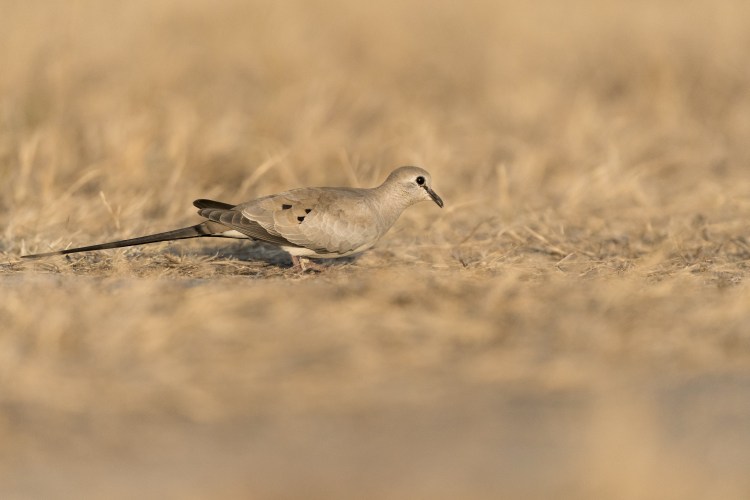
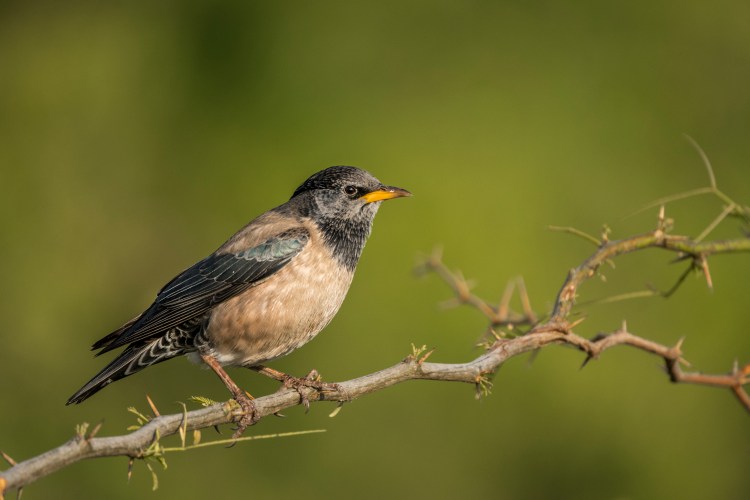
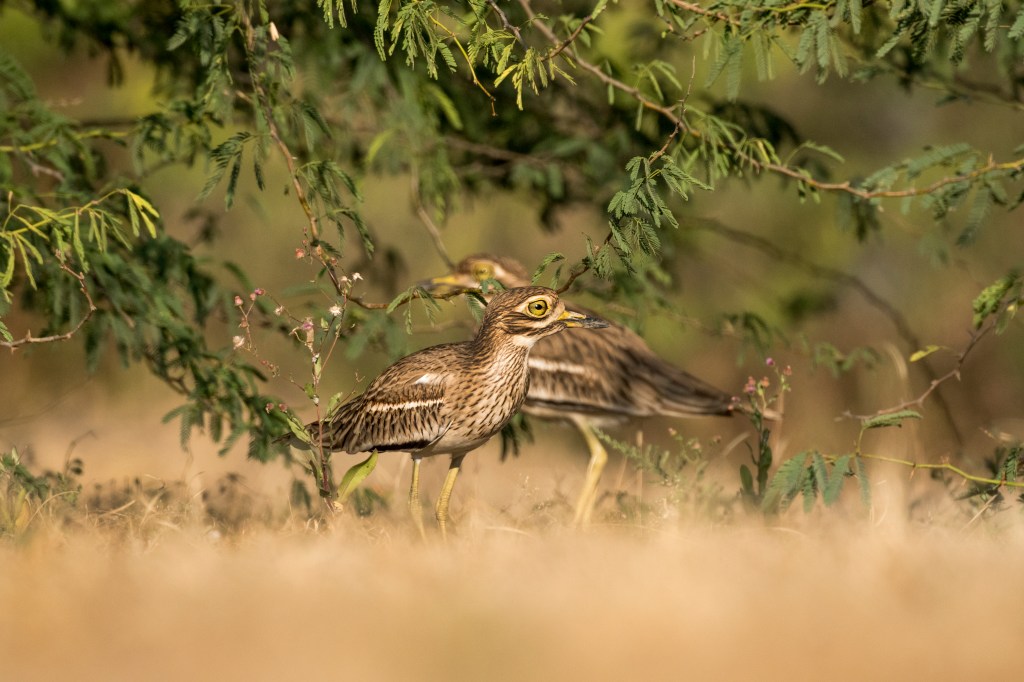
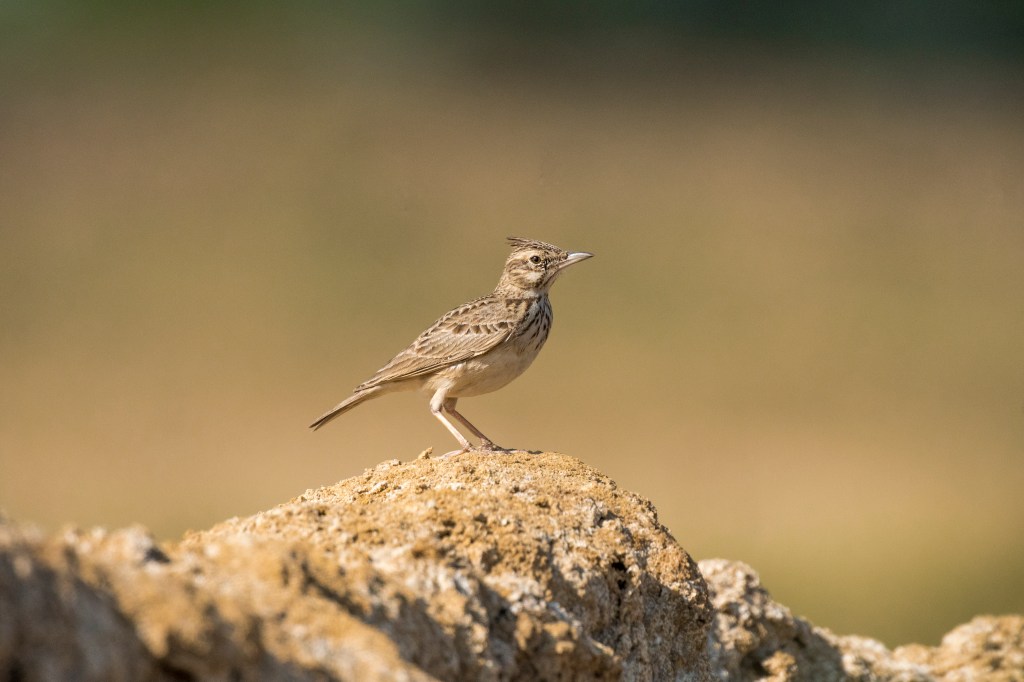
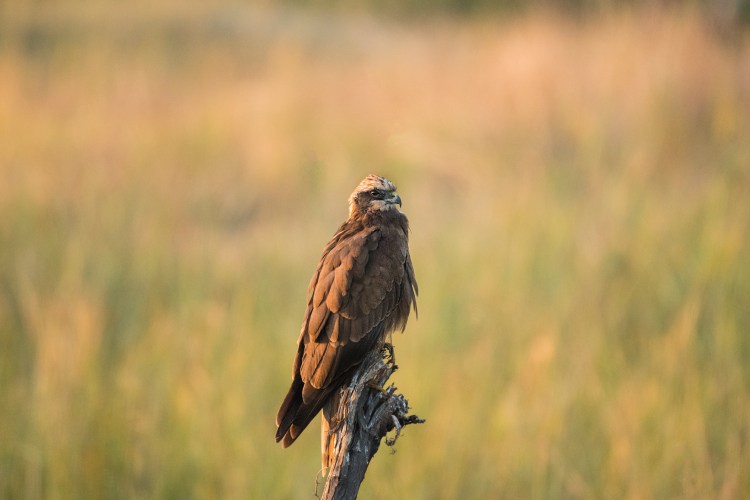
A Symphony of Wings
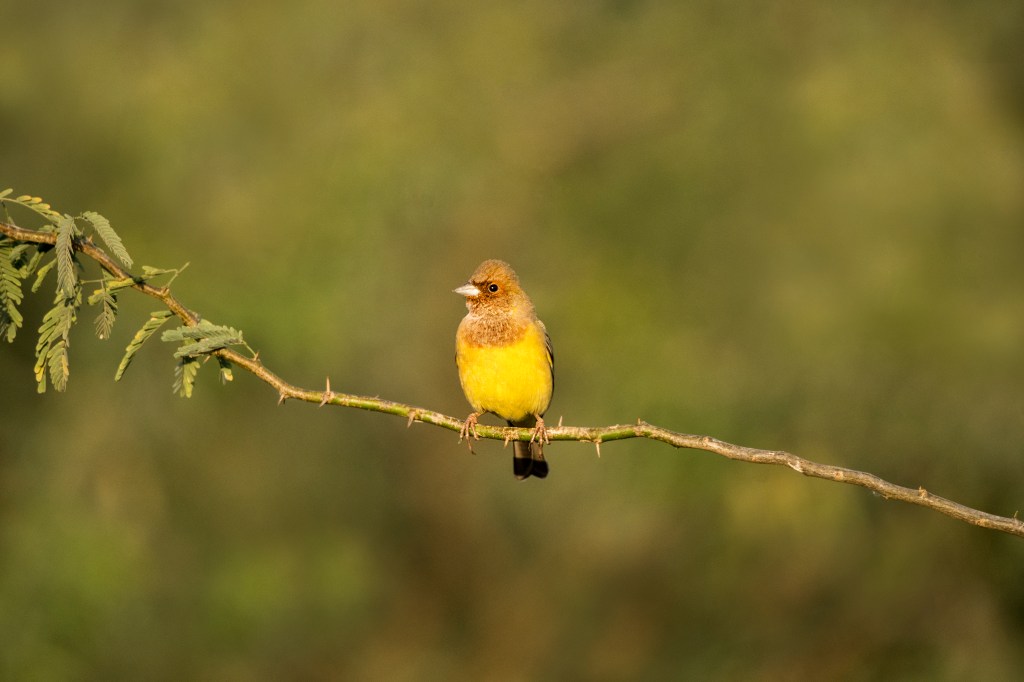
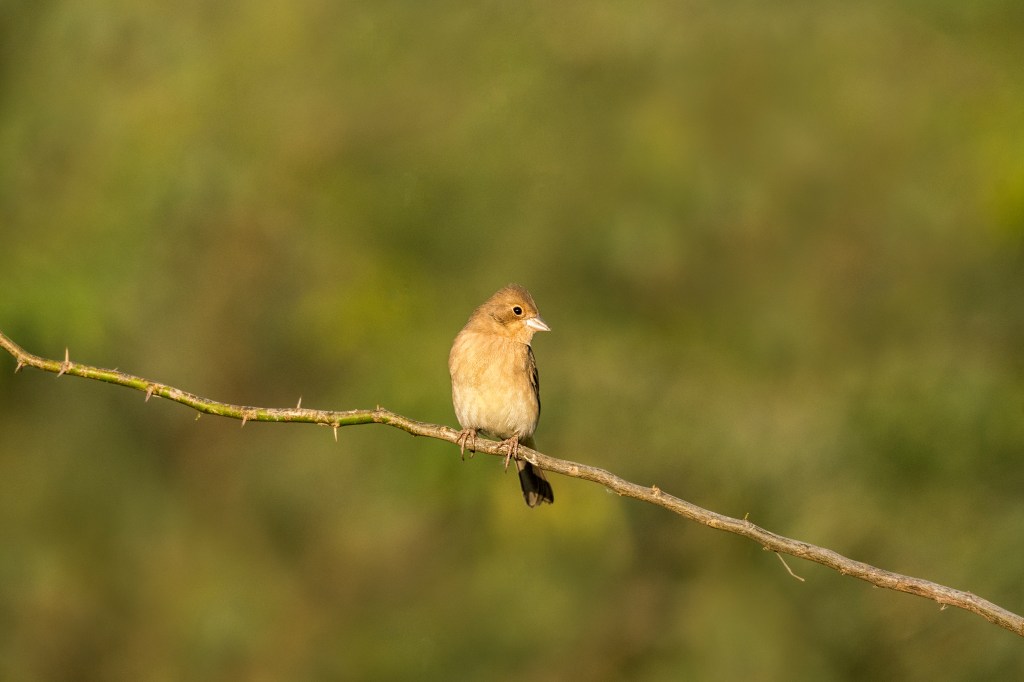
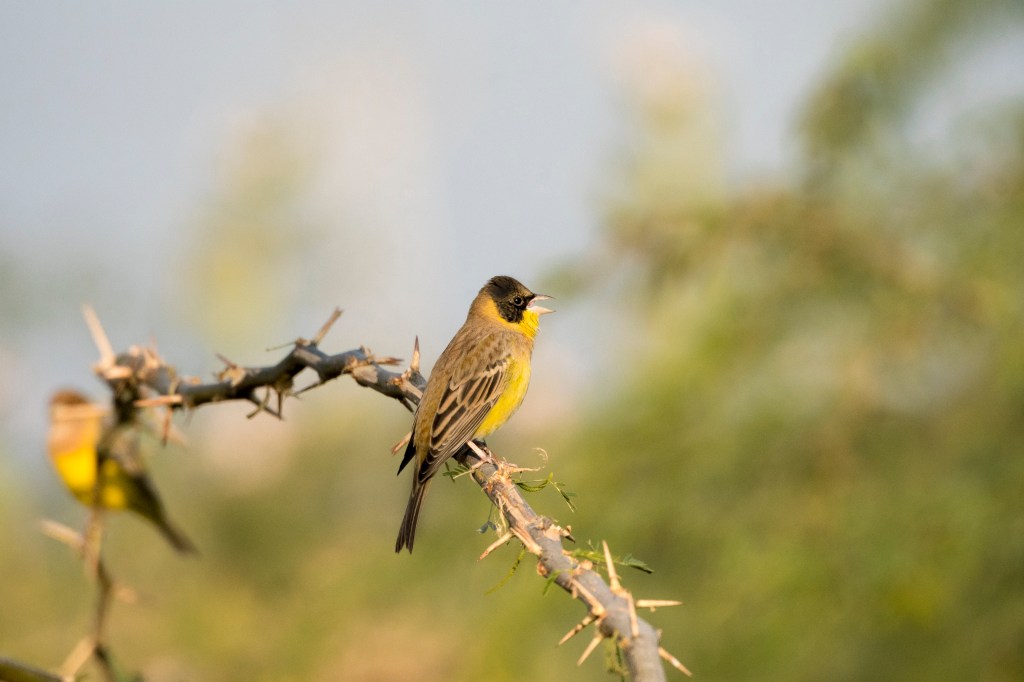
Nalsarovar is home to an astonishing variety of bird species, especially during the winter months when migratory birds from distant lands flock here. The main highlights of my visit included sightings of the vibrant Red-headed Bunting and Black-headed Bunting, the elegant White-tailed Lapwing, and the tiny yet striking Red Avadavat.
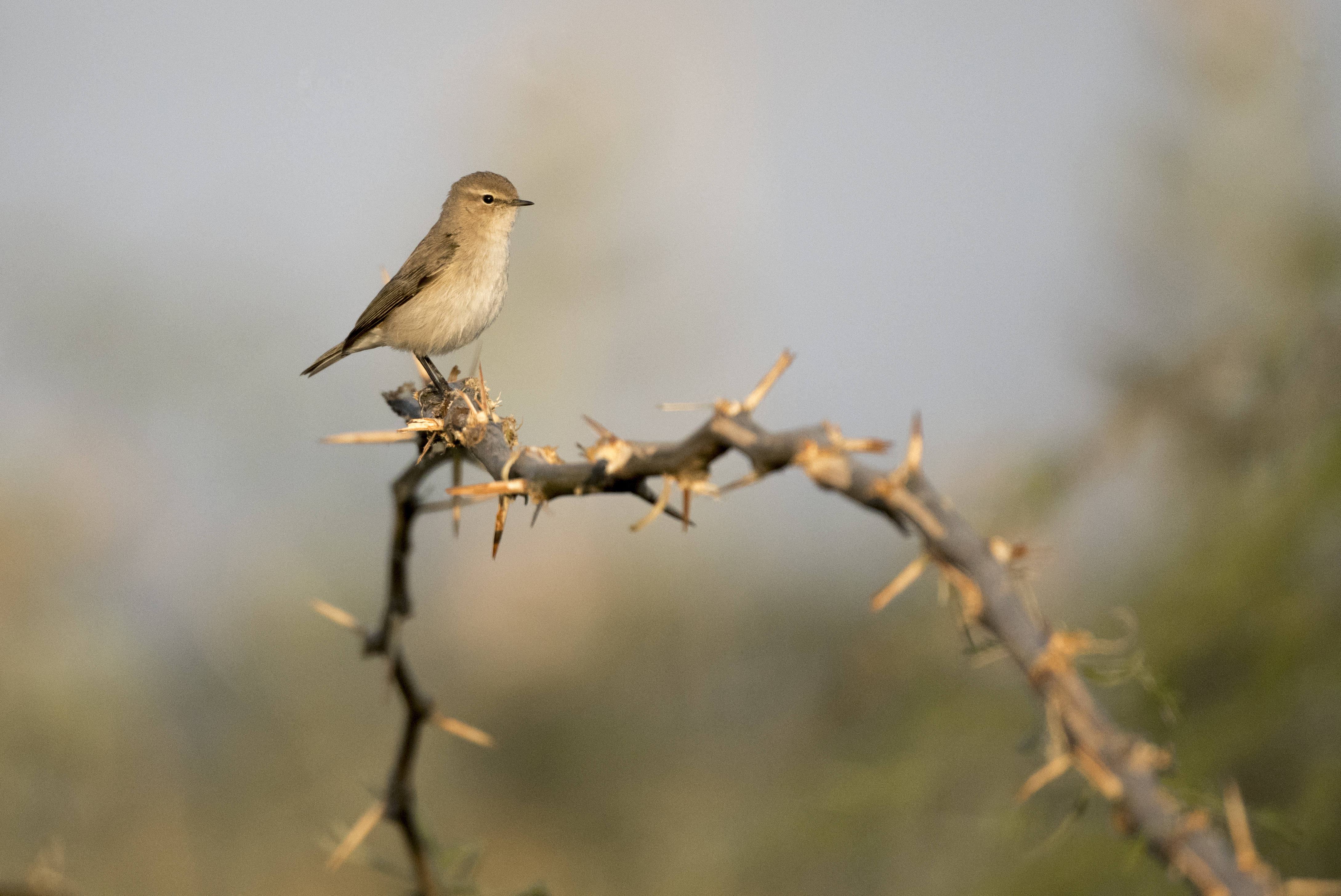
Adding to the charm were the Black-breasted Weaver and the elusive Common Grasshopper Warbler, both of which were lifers for me. The sanctuary also hosted flocks of Graylag Geese, their honking calls adding to the natural symphony. On the smaller side, the delicate and active Prinia flitted about the reeds, adding a lively touch to the wetland’s edges.
Majestic Cranes and Owls
One of the most unforgettable moments was seeing the graceful Demoiselle Cranes alongside Sarus Cranes—the tallest flying birds in the world. Their elegant postures and synchronized movements were mesmerizing. A flock of Common Cranes also joined this breathtaking spectacle.
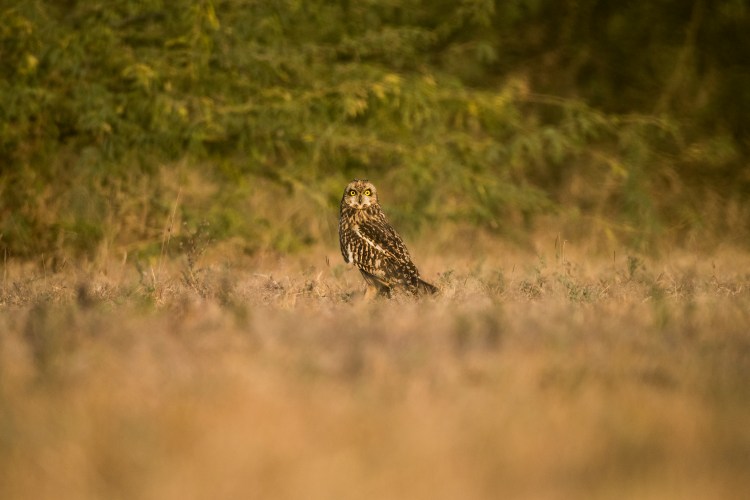
Another highlight was a rare sighting of the Short-eared Owl, camouflaged perfectly among the grasslands, making it a delightful find for any birdwatcher.
The Unique Namaqua Dove
Among the many avian treasures, spotting the Namaqua Dove was particularly special. This small, beautifully marked dove is uncommon and a true delight for anyone lucky enough to see it.
During our visit, we stayed at Flamingo Resort, located conveniently close to Nalsarovar. The resort provided a wonderful stay, with comfortable accommodations that perfectly complemented the serene surroundings. What stood out was the delicious vegetarian food they served, offering a taste of local flavors and fresh ingredients. The staff’s warm hospitality and the resort’s tranquil ambiance made it an ideal base for exploring the sanctuary.
My visit to Nalsarovar Bird Sanctuary was more than just a trip; it was a reminder of the delicate beauty of our natural world. Guides like Nalmemud play an essential role in preserving and sharing this beauty, connecting us to the wonders of wildlife. For anyone planning a visit, December to March is undoubtedly the best time to experience Nalsarovar. This period marks the arrival of migratory birds from as far as Siberia and Europe, drawn to the sanctuary’s rich feeding grounds and mild winter climate. The mornings are especially serene, with golden sunlight reflecting off the water and the air filled with the calls of thousands of birds.

