Day 1: Arrival and Journey to Gangtok
My six-day, five-night expedition to Sikkim began with a flight to Bagdogra Airport in West Bengal. From there, I embarked on a scenic drive toward North Sikkim. The mountainous terrain made the journey challenging, but the opportunity to engage in birding along the way kept my spirits high. By the end of the day, I reached Gangtok, the capital of Sikkim, ready for the adventures ahead.
Day 2: Birding at Hanuman Tok and Journey to Lachen
I woke up at 4 AM, eager to embrace the serene morning in Gangtok. After a quick bath to shake off the chill, I stepped onto the valley-view balcony, camera and binoculars in hand. The crisp mountain air was filled with the gentle chorus of birds greeting the dawn. As the first light painted the sky, I began recording the early chirping.
From my vantage point, I spotted several familiar species. The vibrant calls of the Great Barbet and Blue-throated Barbet resonated through the trees. Black Bulbuls flitted about with their distinctive crests, while the melodious tunes of the Blue Whistling-Thrush added to the morning symphony. A Large Hawk-Cuckoo called out, its sound echoing across the valley. The delicate Gray-headed Canary-Flycatcher and the energetic Green-backed Tit were also present, darting among the foliage.
Rufous Sibias added splashes of color as they moved gracefully, and both Russet and Eurasian Tree Sparrows were busy foraging nearby. Observing these birds from the comfort of the balcony, with the misty valleys stretching out before me, was a delightful experience. It was a perfect start to the day, immersing myself in the rich avian life of Sikkim before continuing the journey to Lachen.
After the delightful morning birding from the balcony, we set out for Hanuman Tok, a revered temple perched at an altitude of 7,200 feet, about 11 kilometers from Gangtok. Dedicated to Lord Hanuman and maintained by the Indian Army, the temple is renowned not only for its spiritual significance but also for its panoramic views of the Kanchenjunga range. The serene ambiance and the surrounding gardens attract a variety of bird species, making it a haven for birdwatchers.
As we approached the temple, the lush greenery and the melodious calls of birds welcomed us. The area was teeming with avian activity. We observed a diverse array of species, including the elusive Hill Partridge, the persistent calls of the Large Hawk-Cuckoo, and the gentle cooing of the Oriental Turtle-Dove. The underbrush revealed the vibrant Golden Babbler, and the thickets resonated with the calls of various Laughingthrushes—Scaly, Blue-winged, Black-faced, Gray-sided, and Chestnut-crowned. The colorful Rufous Sibia flitted among the branches, while the Chestnut-tailed Minla and Rusty-fronted Barwing added splashes of color to the foliage. The Red-tailed Minla and the melodious Red-billed Leiothrix were also a delight to observe. Overhead, the agile Bronzed Drongo showcased its aerial prowess.
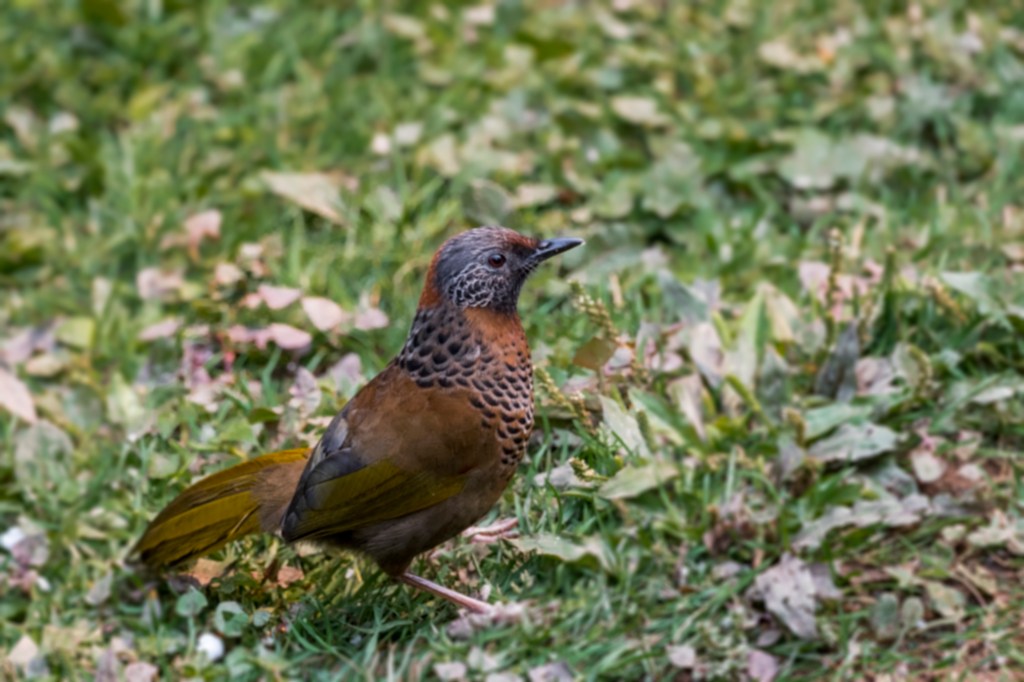
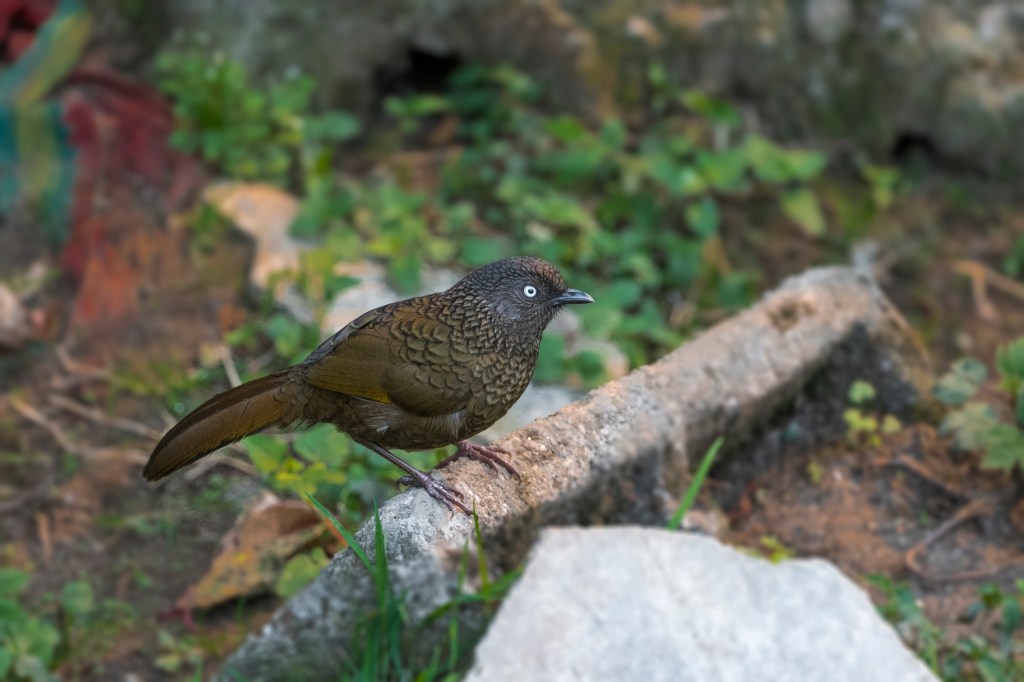
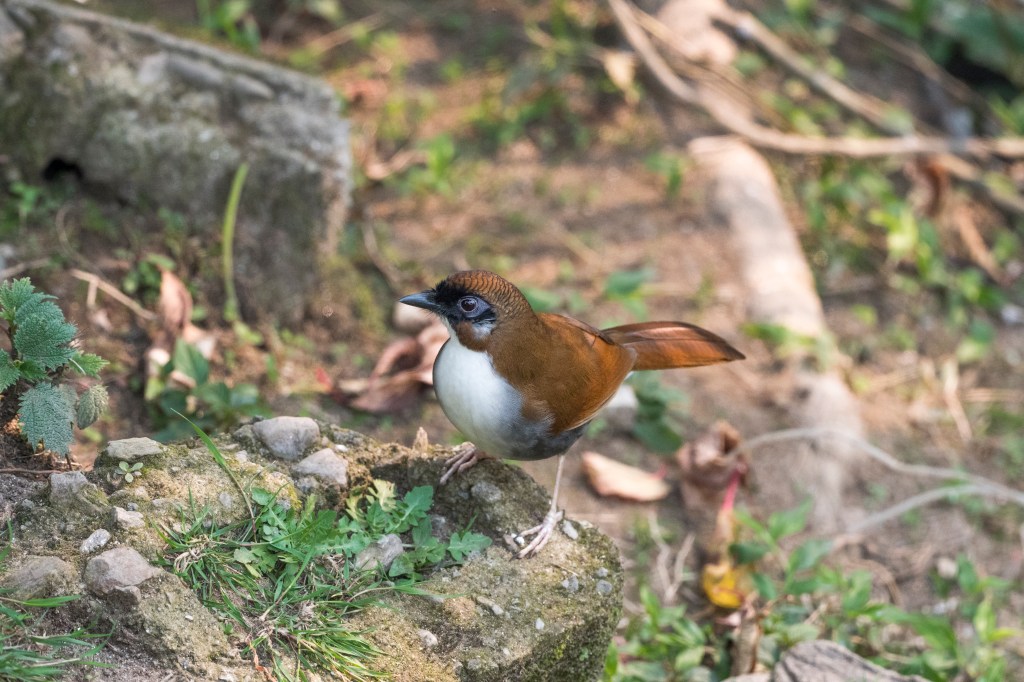
After an enriching birding session, we visited the temple, absorbing its tranquil atmosphere and the breathtaking vistas it offered. Feeling rejuvenated, we headed to the nearby Army canteen, where we enjoyed a hearty meal of dosa, a comforting treat amidst the mountain chill.
With our spirits high and hearts content, we resumed our journey towards Lachen. The drive was challenging due to the aftermath of the 2023 floods and landslides, which had severely impacted the roads. Navigating through the rugged terrain, we finally reached Lachen around 8 PM, exhausted but eager for the birding adventures that awaited us in the days to come.
Day 3: Encounter with the Grandala
The following morning, I began my journey toward the Gurudongmar region. By 6:30 AM, just a few kilometers into the drive, I encountered a mesmerizing sight: a flock of Grandalas perched on seabuckthorn trees, feasting on the fruits. The vibrant blue of the male birds against the stark Himalayan backdrop was a dream come true—a moment that made all the challenges worthwhile.
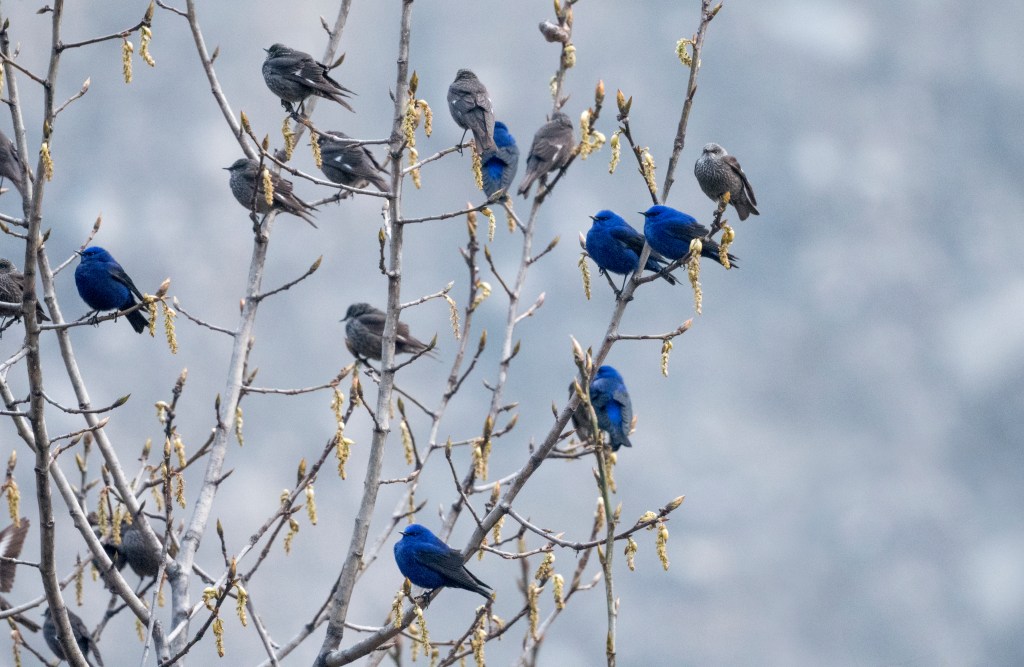
After the exhilarating sighting of the Grandala, we continued our ascent toward the Gurudongmar region. The road conditions were challenging, with rugged terrain and steep inclines, making the journey both thrilling and demanding.
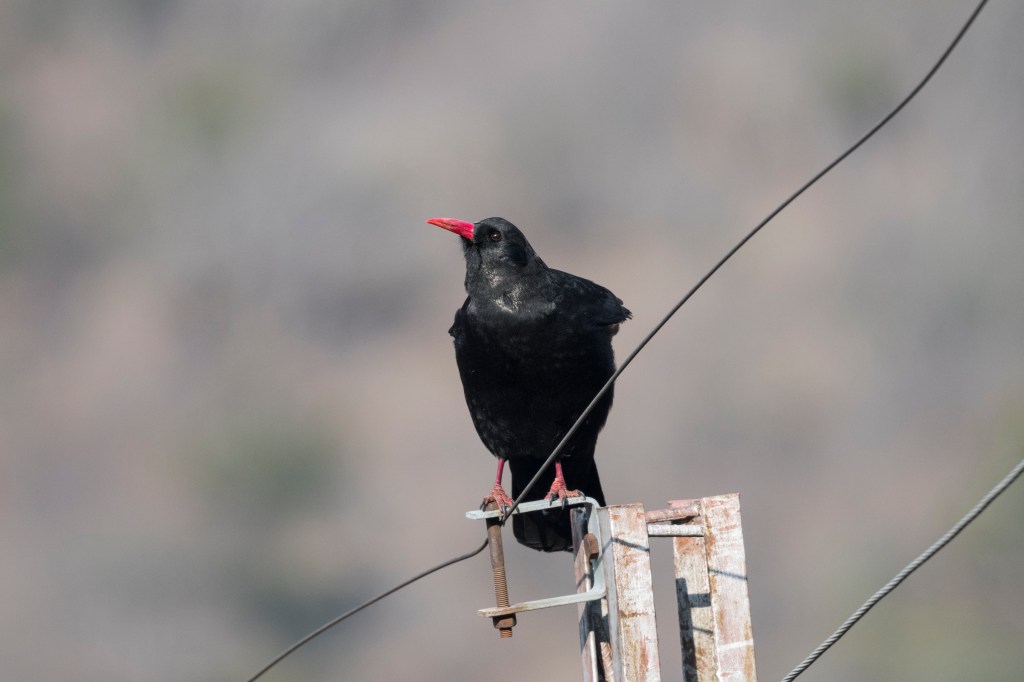
As we approached Thangu Valley, a quaint hamlet nestled amidst the mountains, we were greeted by the sight of a Red-billed Chough perched atop a house roof, its calls echoing through the crisp mountain air. Thangu, often the last stop for refreshments before heading to higher altitudes, offered a brief respite. We indulged in a warm bowl of Maggi noodles, a comforting meal in the chilly environment.
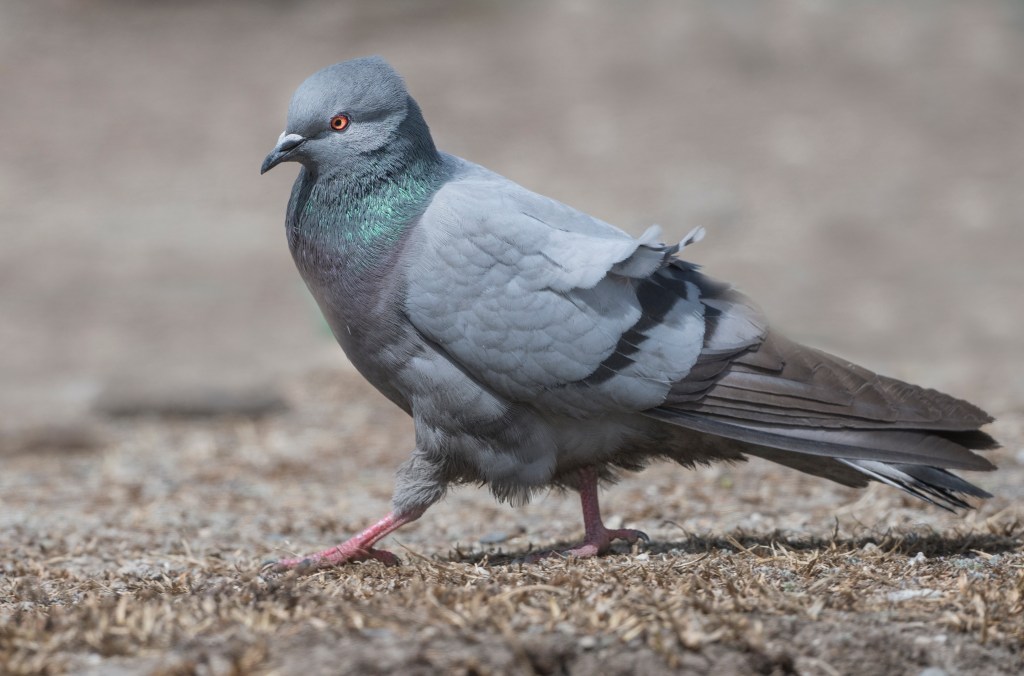
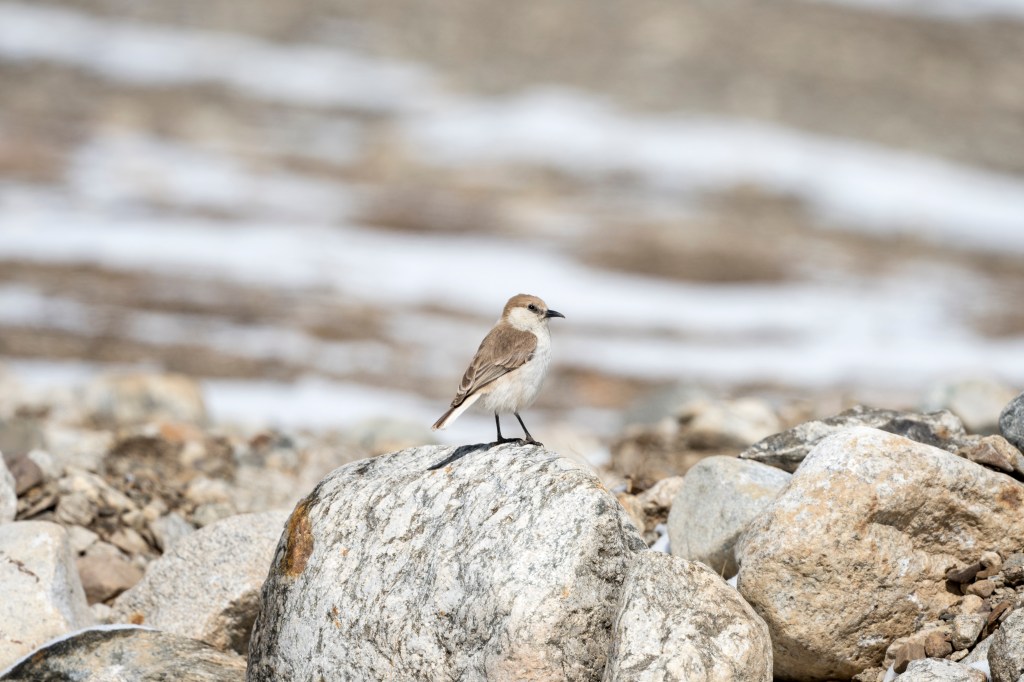
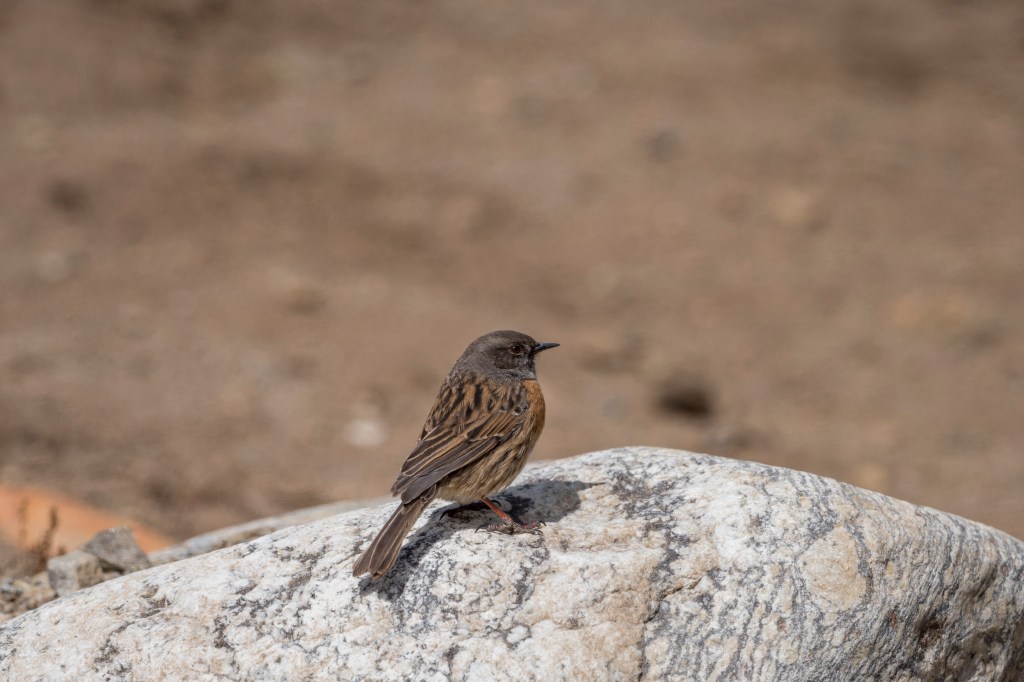
Resuming our journey, the landscape transformed into a stark, high-altitude desert, characterized by sparse vegetation and snow-capped peaks. Despite the harsh conditions, the region was teeming with avian life. We observed a remarkable array of bird species adapted to this environment, including: Ground tit, Robin accentor, Yellow-billed chough, Hill Pigeon, Horned Lark, Blue-fronted Redstart, White-winged Redstart, Black-winged Snowfinch , White-rumped Snowfinch, Rufous-necked Snowfinch, White Wagtail, Dark-breasted Rosefinch, Black-headed Mountain Finch, Daurian Redstart and Little owlet.
Daurian redstart their presence was noted near the sparse shrubbery. Little owl a particularly memorable sighting was a pair of Little Owls perched on a rocky wall constructed by a local family. One of them was initially spotted atop a pile of yak dung, showcasing their adaptability and bold nature. The experience of observing such a diverse range of bird species in the extreme conditions of Gurudongmar was both humbling and exhilarating. The resilience of these birds in adapting to the harsh environment left a lasting impression on me.
Photographing the birds in the Gurudongmar region was an immense challenge. The temperature hovered around -10°C, and the thin air at such high altitudes made every movement strenuous. As I began walking to capture better angles, I quickly felt the effects of altitude sickness—weakness and shortness of breath. To cope, I adopted a strategy of walking for a while and then pausing to rest, which proved effective. Despite these challenges, the experience was unparalleled, offering a unique and unforgettable encounter with nature.
Gurudongmar Lake, situated at an elevation of approximately 5,430 meters (17,800 feet), stands as one of the highest lakes in the world. In comparison, the Everest Base Camp in Nepal is at 5,364 meters (17,598 feet). This means that Gurudongmar Lake sits at a higher altitude than the base camp of the world’s tallest mountain, highlighting the extreme conditions and the remarkable biodiversity found in this remote region.
The Ground Tit (Pseudopodoces humilis), also called Hume’s Ground Tit, is a unique bird found in the high pastures and steppes of the Tibetan Plateau, including areas like Ladakh and Sikkim in India. Initially thought to be a ground jay because of its behavior and crow-like look, genetic research has shown it belongs to the tit family (Paridae) and is the only species in its genus. It often uses burrows made by animals like pikas and marmots for shelter, demonstrating its ability to survive in harsh, treeless areas above 3,000 meters. Its calls are compared to soft whistles or finch-like sounds. The Ground Tit’s interesting evolutionary background and special adaptations make it an intriguing topic for avian biology study.
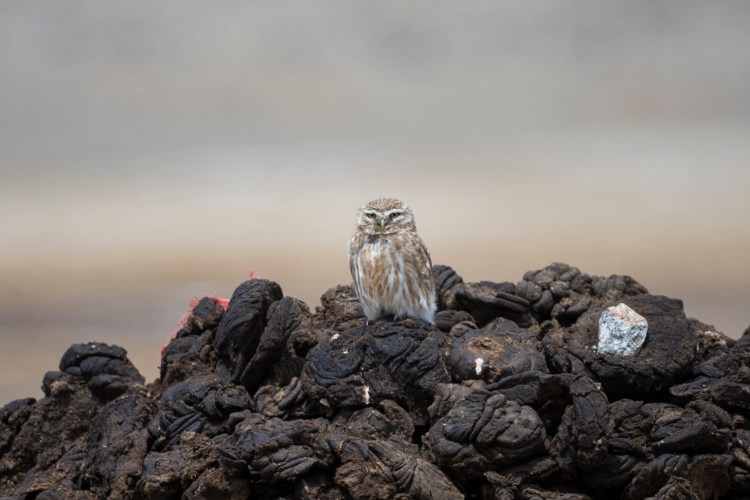
Little Owl (Athene noctua) at the high-altitude Gurudongmar region of Sikkim, where temperatures plummet to -12°C and oxygen levels are significantly low, is an extraordinary experience. Typically, Little Owls inhabit open landscapes such as farmland, orchards, and semi-deserts, and are usually found at elevations up to 2,600 meters . Observing one at such an extreme altitude suggests a remarkable adaptability of this species. The owl’s presence in this harsh environment, characterized by thin air and freezing temperatures, underscores its resilience and ability to thrive in diverse habitats. Such sightings are rare and contribute valuable information to the understanding of the species’ range and ecological flexibility.
By 11:30 AM, the serene atmosphere at Gurudongmar Lake changed abruptly. A fierce windstorm swept through the area, followed by a sudden onset of snowfall. The temperature plummeted rapidly, making the conditions increasingly inhospitable. Given the lake’s high altitude of approximately 5,430 meters (17,800 feet), such swift weather changes are not uncommon and can pose significant risks to visitors. Recognizing the deteriorating conditions, we decided to depart before noon to ensure our safety during the descent. It’s worth noting that due to the lake’s elevation, which is higher than the Everest Base Camp at 5,364 meters (17,598 feet), visitors are advised to leave the area before 12 PM, as temperatures can drop further, and breathing becomes more challenging.
In addition to the avian wonders, our journey to the Gurudongmar Lake area offered remarkable sightings of elusive high-altitude mammals. The cold desert steppe landscape, though harsh, supports a unique array of wildlife. We were fortunate to observe the Tibetan Gazelle, a rare and graceful antelope species adapted to the sparse vegetation of this region. The Kiang, the largest of the wild asses, roamed the plains with their characteristic strength and agility. Pikas, small mountain-dwelling mammals, were seen darting among the rocks, their presence a testament to the adaptability of life in such extreme conditions. Additionally, we spotted the majestic Argali, also known as the mountain sheep, distinguished by its impressive curved horns and sturdy build. These encounters added a profound depth to our experience, highlighting the rich biodiversity that thrives in the high-altitude ecosystems of North Sikkim.
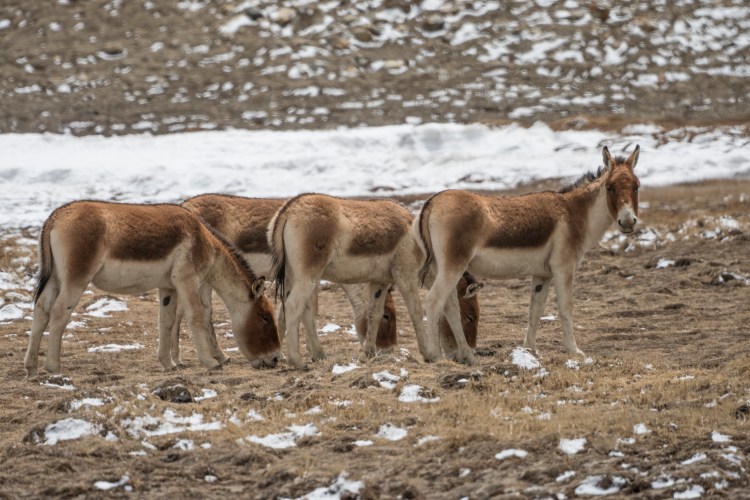
The Kiang (Equus kiang), the largest wild ass in the world and the biggest member of the Asinus subgenus, is native to the high-altitude plains of the Tibetan Plateau, including Ladakh in India. Known for its striking chestnut coat and white underparts, the Kiang thrives in some of the world’s harshest climates, often found above 4,000 meters where few other large mammals survive. Unlike domestic donkeys, kiangs are powerful runners, capable of galloping at high speeds to escape predators like wolves. They live in herds, often led by a dominant female, and have a loud, donkey-like call that echoes across the valleys. Kiangs are also known for their strong social bonds and their ability to dig through snow to find hidden grasses, showcasing their incredible adaptation to life in the cold desert.
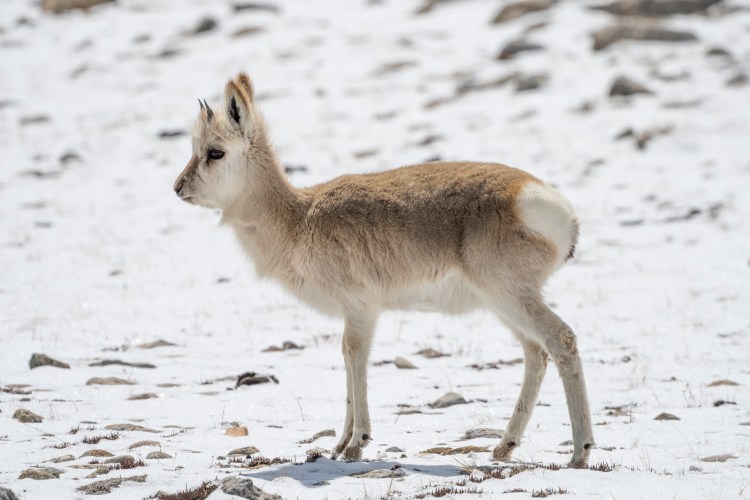
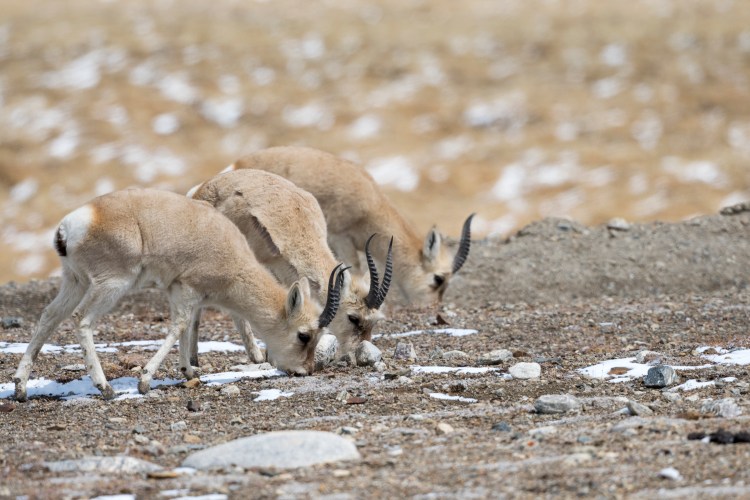
The Goa (Procapra picticaudata), also known as the Tibetan gazelle, is a rare and elusive antelope adapted to the harsh, high-altitude environment of the Tibetan Plateau, including parts of North Sikkim in India. Surviving at elevations up to 5,500 meters, these small but resilient animals are known for their dense fur, solitary nature, and excellent camouflage against rocky terrain. Only males have slender horns, while females are hornless. Their diet consists mainly of grasses and herbs found in sparse alpine meadows.
Day 4: Morning Birding in Lachen
Lachen, a picturesque town in North Sikkim, derives its name from the Tibetan words meaning “big pass.” Nestled amidst the Himalayas, it serves as a gateway to some of the most pristine and untouched regions of the state. Recognized for its strategic importance and natural beauty, the Sikkimese government actively promotes Lachen as a prime tourist destination.
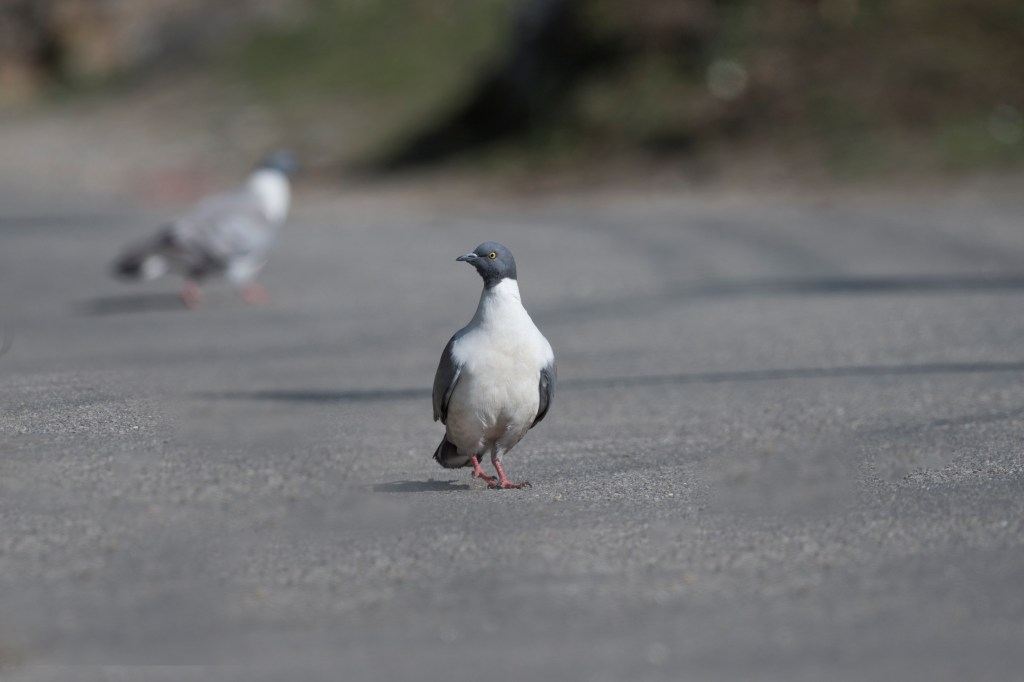
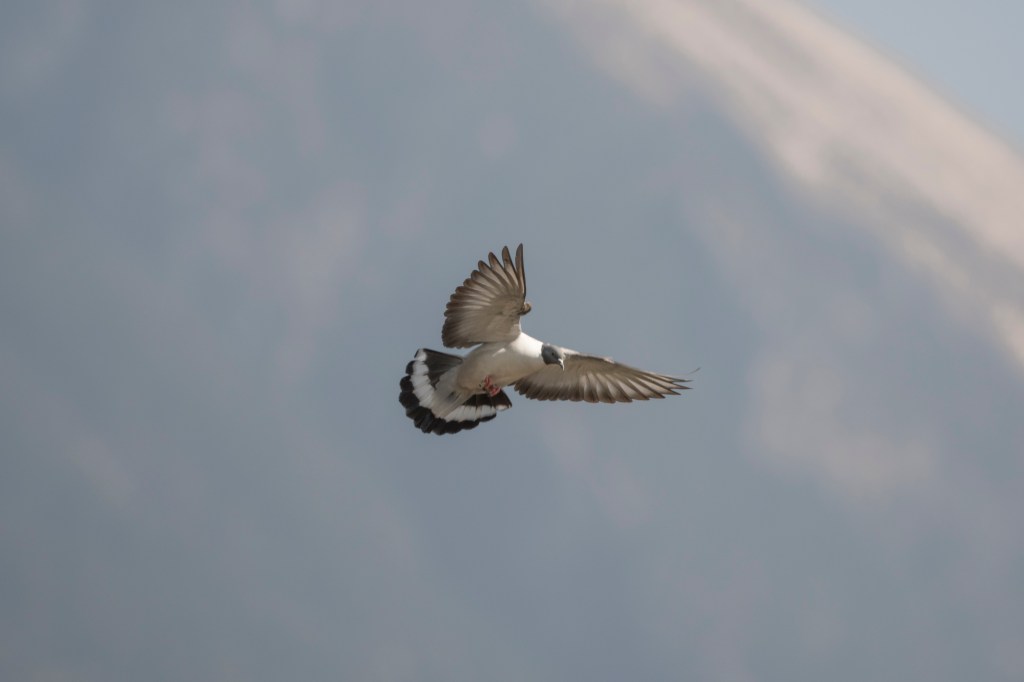
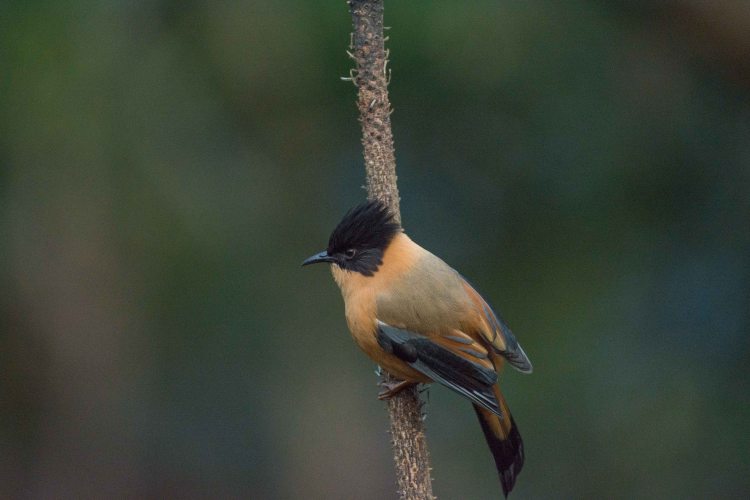
During our morning birding session in Lachen, we were fortunate to observe a diverse array of avian species. The crisp mountain air and serene environment provided the perfect backdrop for birdwatching. Among the species we encountered were the Snow Pigeon, Red-billed Chough, White-collared Blackbird, Dark-breasted Rose finch, Yellow-billed Blue-Magpie, White-tailed Nuthatch, Green Shrike-Babbler, Scarlet Minivet, Buff-barred Warbler, White-spectacled Warbler, Black-browed Tit, Brown Parrotbill, Rufous-vented Yuhina, Rusty-flanked Treecreeper, Fire-tailed Sunbird, Mrs. Gould’s Sunbird, and Red-headed Bullfinch. Each sighting added to the richness of our birding experience in this Himalayan haven.
After our morning birding session in Lachen, we returned to town and enjoyed a hearty breakfast at Hotel Alpine View. This family-owned establishment offers both accommodation and dining, and I highly recommend it for its warm hospitality and delicious food. The cozy ambiance and attentive service made our meal particularly enjoyable.
Post-breakfast, we set out to photograph the elusive Yellow-rumped Honeyguide. Upon reaching the designated location, our guide, Yabez Lepcha, promptly spotted the bird. It was perched calmly beside a large honeycomb, presenting a serene and captivating sight. Observing the honeyguide in its natural habitat was a remarkable experience, and I relished every moment of watching this unique bird.
Day 5: Morning Birding and Yellow-rumped Honeyguide Revisit
As the previous evening’s session didn’t yield satisfactory photographs of the Yellow-rumped Honeyguide, we decided to revisit the site the next morning. The early hours proved fruitful, as we encountered not only the elusive honeyguide but also a delightful array of other bird species. Among them were the Little Forktail, Black-faced Laughingthrush, and Spotted Laughingthrush. The morning session was truly remarkable, offering us the opportunity to observe and appreciate these avian wonders in their natural habitat.
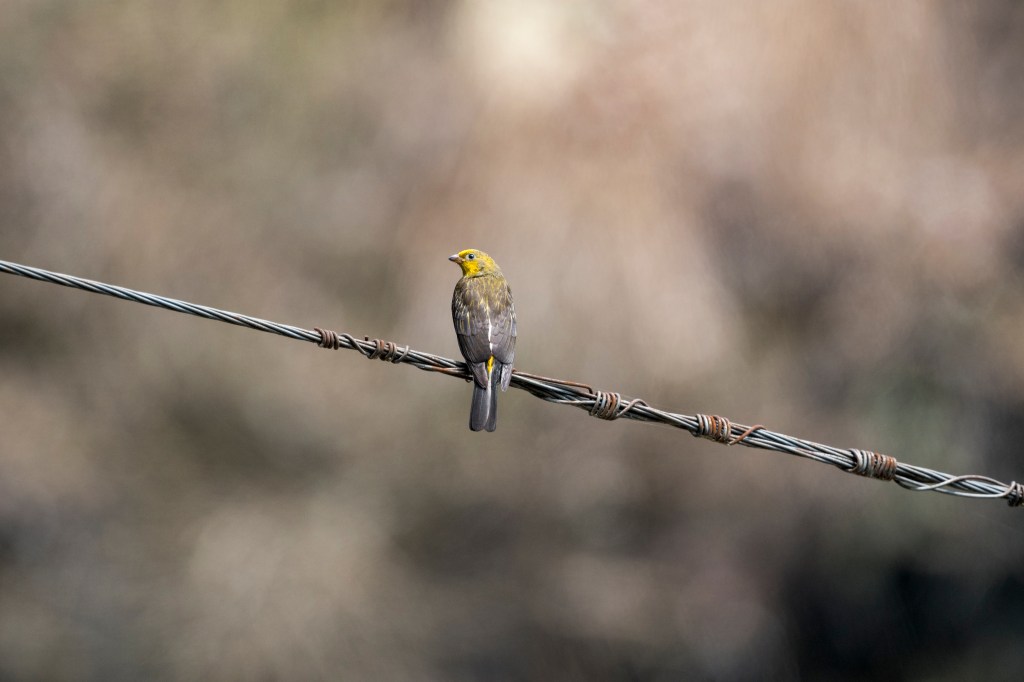
During our morning birding session, revisiting the Yellow-rumped Honeyguide provided an opportunity to observe its unique behaviors up close. This sparrow-sized bird, predominantly found in the montane forests along the Himalayas, exhibits intriguing ecological traits. Males are notably territorial, often seen perched near active or deserted honeycombs, feeding primarily on beeswax, especially the foundation wax of Apis laboriosa that attaches the comb to rocks. Females and juveniles, on the other hand, tend to forage more widely. Interestingly, these birds feed on active beehives without significantly disturbing the bees.
Another remarkable aspect of the Yellow-rumped Honeyguide is its reproductive strategy. They are brood parasites, laying their eggs in the nests of tree-hole breeders, possibly barbets. The exact host species remains undocumented. This behavior ensures that their offspring are raised by the host species, a strategy that, while beneficial for the honeyguides, poses challenges for the host birds. Observing the Yellow-rumped Honeyguide in its natural habitat, especially noting its feeding and breeding behaviors, was a highlight of our birding expedition. The combination of its distinctive ecological traits and the serene Himalayan backdrop made for an unforgettable experience.
Day 6: At Mangan Saakjear Lee Homestay
After our rewarding morning session with the Yellow-rumped Honeyguide, we departed for Mangan, a picturesque town in North Sikkim renowned for its rich avian diversity. Mangan serves as a gateway to the northern regions of Sikkim and is a favored destination for birdwatchers. By nd of the day we reached location and we chose to stay at Saakjear Lee Homestay, located near the Mangan Helipad in Ringhim village. This homestay is celebrated for its warm hospitality, cozy accommodations, and stunning views of the surrounding landscapes. The serene environment and proximity to prime birding spots made it an ideal base for our explorations.
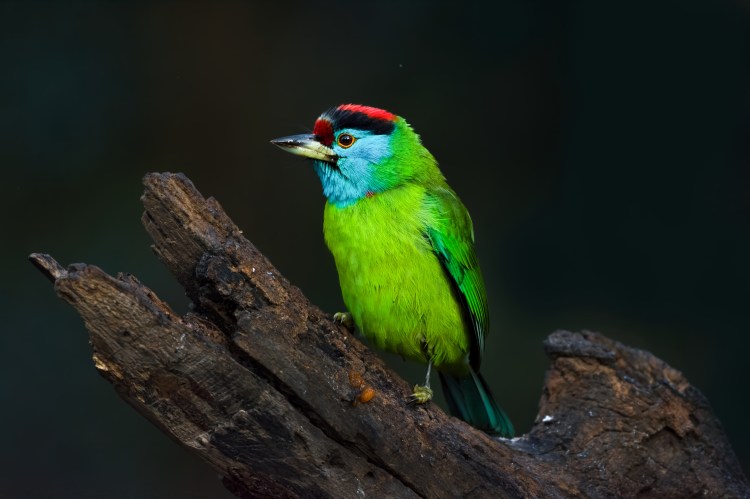
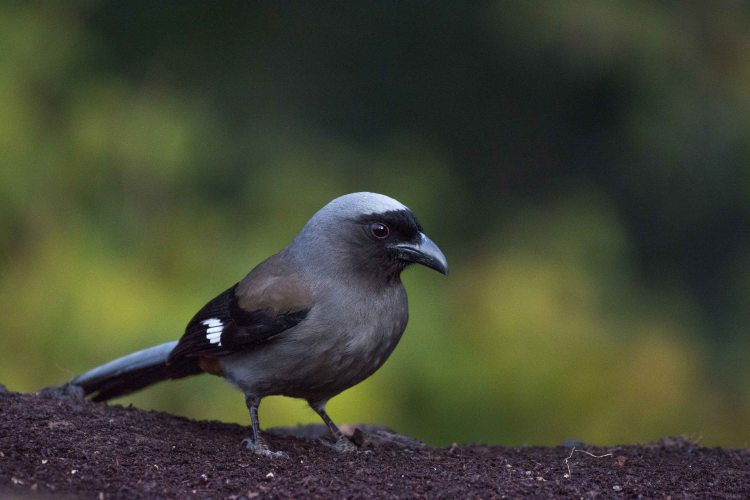
During our stay in Mangan, we were delighted to observe a plethora of bird species. A highlight was spotting the Collared Owlet, a lifer for me. Other notable sightings included the Long-tailed Minivet, White-browed Shrike-Babbler, White-throated Fantail, Hair-crested Drongo, Sikkim Treecreeper, Ferruginous Flycatcher, both Large and Small Niltavas, and the Little Pied Flycatcher. Many of these were lifers, adding to the excitement of the trip. The diverse avian population in Mangan underscores its significance as a birding destination in Sikkim.
Back to Home: After our enriching morning birding session in Mangan, we commenced our return journey towards Bagdogra Airport. The drive offered a final glimpse of Sikkim’s breathtaking landscapes, leaving us with lasting memories of the region’s natural beauty.
Upon reaching Bagdogra Airport, we boarded our flight back to Mumbai. The journey marked the end of our 6-day, 5-night expedition through Sikkim’s diverse habitats. Reflecting on the trip, it was a remarkable experience filled with unique wildlife sightings, cultural encounters, and the serene beauty of the Himalayas.
Final Note: Sharing My Sikkim Birding Journey
I want to express my heartfelt gratitude to everyone who has followed along on my 6-day, 5-night birding adventure through the breathtaking landscapes of Sikkim. While I couldn’t share every photograph captured during this journey, I’ve endeavored to present the most captivating moments and sightings.
Your feedback and thoughts mean a lot to me. If any part of this journey resonated with you or sparked your curiosity, please feel free to leave a comment. Your insights not only enrich the narrative but also inspire future explorations.
If you’ve enjoyed this glimpse into Sikkim’s avian wonders and wish to accompany me on future adventures, consider subscribing. Your support fuels the passion for discovering and sharing the hidden gems of our natural world.
Thank you once again for being a part of this journey. Until next time, happy birding!

