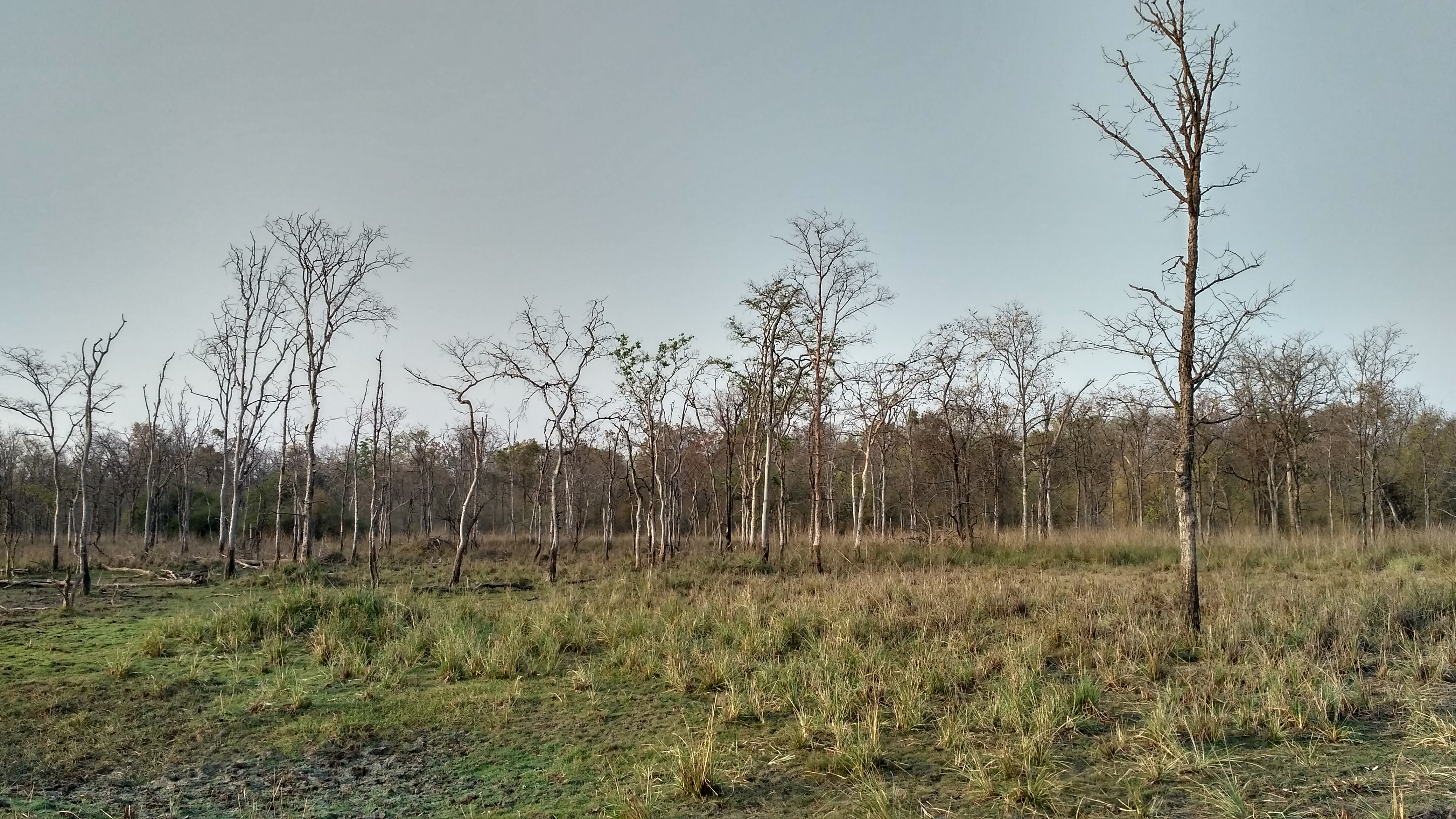
“One Earth. One Future. Plant, Protect, and Participate.”
— Because saving the planet begins with YOU—one tree, one bird, one act at a time.
A Call to Every Citizen, Young and Old, to Embrace Wildlife Conservation & Sustainable Living. Have you ever paused to listen to the morning calls of birds just outside your window? Or noticed how a single tree gives shade to people, food to birds, and life to insects—all at once?
Today, I want to share a simple truth: each of us can make a difference—no matter who we are or where we live. Whether you’re walking through a forest trail or sitting behind a laptop, the future of our planet is in your hands. Let me take you through the pillars of our ecosystem—trees, birds, animals, and sustainable living—and show how even the smallest acts can echo in the grand story of conservation.
More Than Just Watching Birds: How Birding Shapes Minds, Science, and Conservation
In a world rushing past in the blink of an eye, bird watching offers us a chance to slow down and reconnect—not just with nature, but with ourselves. What begins as a simple hobby of spotting birds can transform into a lifelong passion filled with discovery, learning, and a deeper appreciation for the planet. Add a camera or a notebook to the mix, and birding becomes a powerful tool for education, research, and conservation.
Let’s explore what makes bird watching and photographing birds such a meaningful and impactful activity.
There are over 10,000 species of birds worldwide, with India alone home to more than 1,300 species, thanks to its diverse habitats—from Himalayas to coastlines, forests to grasslands. Birds are present everywhere: cities, villages, wetlands, farmlands, even balconies.
Birds serve critical ecological roles:
- Pollination (e.g., sunbirds and hummingbirds)
- Pest control (e.g., owls, flycatchers)
- Seed dispersal (e.g., hornbills, mynas)
- Scavenging and waste cleanup (e.g., vultures)
Spotting and documenting these species helps us understand the health of the ecosystem.
Bird Photography
Bird photography is not just about the perfect shot—it’s about observation, patience, and storytelling. Each photo can capture rare behavior: a courtship dance, feeding of chicks, or migration in motion. For many, it becomes a deeply meditative practice—learning to wait, listen, and anticipate.
With simple gear—a DSLR or even a mobile with a zoom lens—anyone can start. Beginners often find their first thrill in capturing a common bird like a kingfisher mid-dive or a tailorbird stitching its nest.
Tip: Early mornings, just after sunrise, are best for lighting and bird activity.
Reporting:
Bird reporting is about recording what you see—when, where, and how. It may seem like a hobbyist’s note-taking, but it contributes significantly to citizen science.
Platforms like:
allow anyone to log bird sightings, helping scientists track migration, behavior changes, and population health across regions and years.
Example: Citizen birders helped track the decline of the House Sparrow population, influencing conservation discussions and urban planning.
The Benefits
1. Mental Health:
Bird watching is calming, reduces anxiety, and promotes mindfulness. Just 30 minutes outdoors, listening to birdsong, has been shown to reduce stress levels significantly.
2. Physical Health:
Birding encourages walking, hiking, and exploration. Many find themselves visiting natural spots, improving physical fitness without even trying.
3. Family Bonding:
Birding is ageless—grandparents to kids can enjoy it together. It builds curiosity in children and creates peaceful bonding moments.
4. Education & Curiosity:
Birding teaches geography (migratory routes), biology (feeding, nesting), and environmental science. It encourages kids to ask “why” and “how,” creating future ecologists and scientists.
Research & Conservation
When birds vanish, they warn us of deeper ecological issues. Vultures declined due to diclofenac in livestock—birders noticed this drop and alerted scientists. Similarly, changing arrival times of migratory birds indicate climate shifts.
Data collected by photographers and watchers supports:
- Species conservation status (e.g., IUCN Red List)
- Wildlife management in national parks
- Habitat preservation policies
- Restoration of urban wetlands and forests
Photographs can be used to document rare sightings, illegal poaching, or unseen behavior, adding to scientific records.
For Students and the Curious Minds
Birding is a hands-on classroom. Schools that take students on nature walks report increased environmental awareness, empathy toward animals, and even improved attention spans. A child who spots a weaver bird’s nest or hears the call of a koel begins to see life beyond screens and books.
Bird watching can lead to careers in:
- Ornithology
- Wildlife photography
- Environmental journalism
- Ecotourism and guiding
- Conservation policy and law
How to Start: Simple Steps for All
- Get a basic field guide or use an app like Merlin Bird ID or BirdNet.
- Visit a local park, lake, or forest patch early in the morning.
- Observe without disturbing—use quiet movements.
- Record your sightings and photograph responsibly.
- Join local nature clubs or online forums to learn and share.
You don’t need fancy gear or remote jungles to begin. Even a walk in your colony can introduce you to bulbuls, drongos, and sunbirds.
The Sky is Not the Limit
In every bird’s flight is a lesson in freedom, resilience, and connection. Bird watching and photographing don’t just bring us closer to nature—they bring nature closer to us.
Each log, each photo, each shared story helps protect our avian friends and the planet they call home. Whether you do it with your eyes, notebook, camera, or phone, remember: you are part of something much bigger.
“Observe. Record. Respect. That’s how we preserve the song of the skies.”
Let’s not just watch birds. Let’s protect the skies they soar in.

