Tucked deep inside the lush forests of Kudal in Sindhudurg lies a place that feels almost untouched by time. Ambyache Pani Bird Hide is not a manicured reserve or a commercial hotspot. It is a simple, natural water spring in the middle of dense woodland, quietly drawing in some of the most sought-after bird species in the Western Ghats.
For birders and wildlife photographers, this spot has earned a reputation that goes well beyond its modest appearance.
A Place Beyond Birding
What makes Ambyache Pani special is not just the checklist of species. It is the stillness of the forest, the anticipation inside the hide, and the connection to a habitat that remains largely undisturbed. Even on days when bird activity is low, the experience of sitting quietly in a dense Western Ghats forest, listening to distant calls and watching light filter through the canopy, is rewarding in itself.
For anyone interested in birding, photography, or simply experiencing a different side of Sindhudurg, this hidden waterhole offers something rare: a chance to slow down and observe nature on its own terms.
A Natural Stage for Rare Sightings
The heart of Ambyache Pani is a small forest water source. In the dry months, this spring water becomes a lifeline for birds, turning the area into a natural stage where species arrive, often at eye level, offering rare and intimate viewing opportunities.
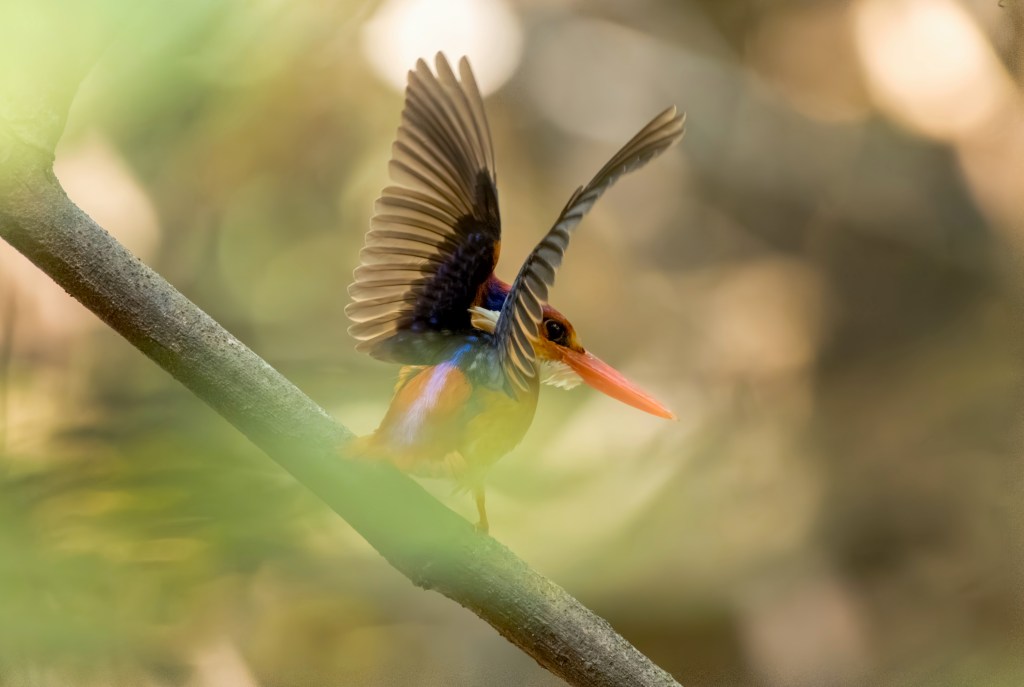
Among the many species recorded here, a few stand out as the main highlights, namely the Grey-headed Bulbul, Flame-throated Bulbul, and Yellow-browed Bulbul. These three alone make the site truly special, as they are not easily seen elsewhere with such consistency. However, the diversity does not end there. Regular visitors include Red-whiskered Bulbul and Red-vented Bulbul, Indian Scimitar Babbler, Brown-cheeked Fulvetta and Puff-throated Babbler, Tickell’s Blue Flycatcher and Black-naped Monarch, Asian Paradise Flycatcher (female), White-rumped Shama, Blyth’s Reed Warbler, Malabar Whistling Thrush, Emerald Dove and Orange-headed Thrush, Sri Lankan Frogmouth, Oriental Dwarf Kingfisher, and the Greater Racket-tailed Drongo. This rich mix of endemic, resident, and migratory species makes every session at the hide unpredictable and rewarding.
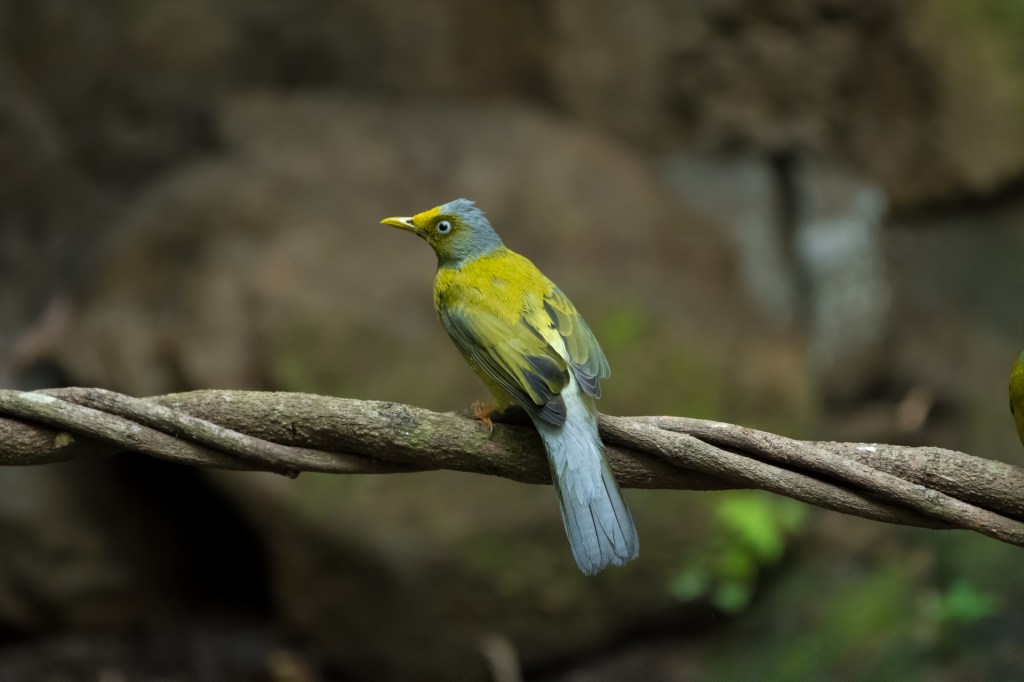
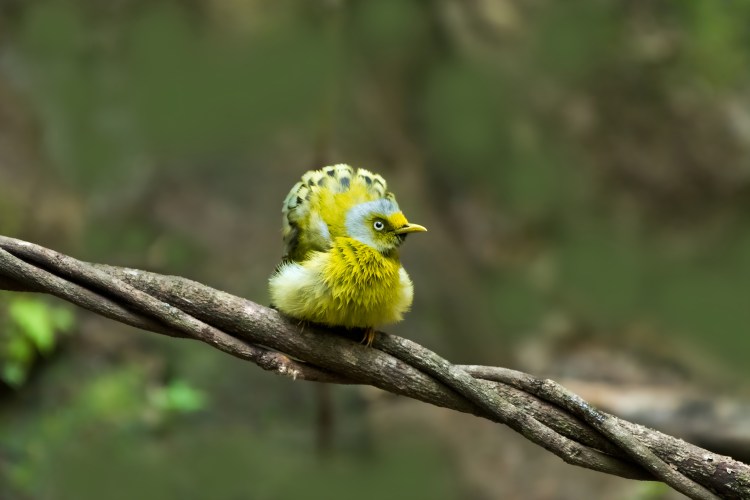
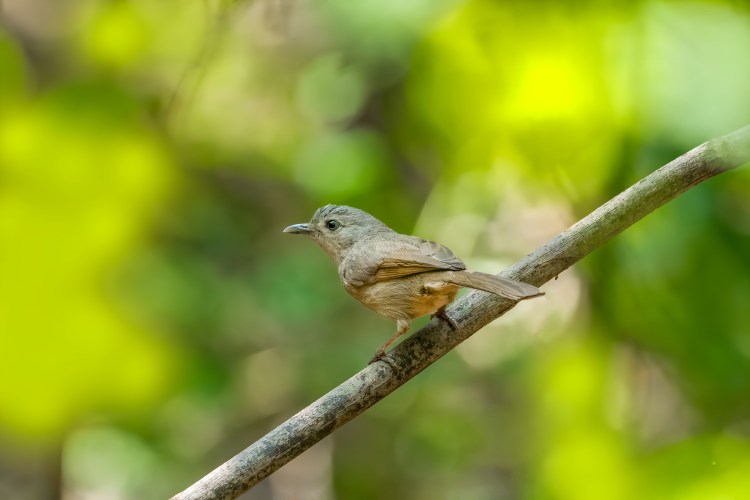
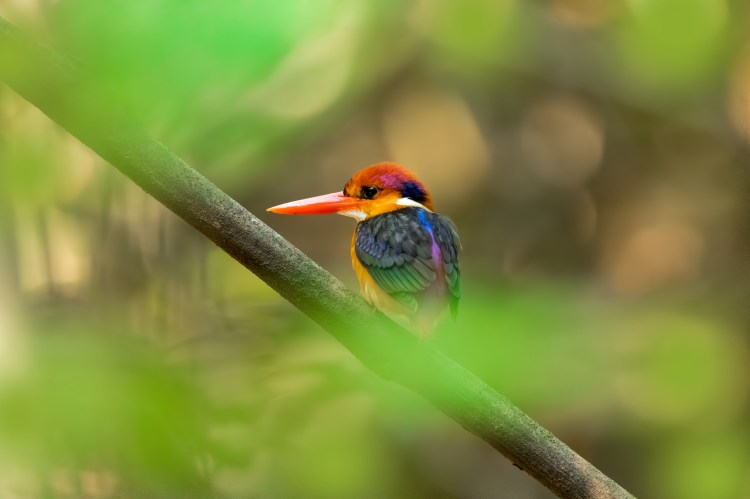
The hide is operated by Dr. Ganesh Margaj, a local bird watcher and wildlife photographer known for his deep knowledge of the region and warm hospitality. Reaching the hide is part of the experience itself. From his home, a walk of roughly 1000 meters takes you through a narrow path cutting across dense forest. The trail is quiet, shaded, and immersive. It sets the tone even before you reach the hide. The structure is simple and unobtrusive, designed to blend into the surroundings without disturbing wildlife. Once inside, patience becomes your biggest tool. The forest slowly reveals itself, one call, one flutter at a time.
New update (April 2026): A notable recent addition to the observations at the hide is the sighting of a pair of Grey-fronted Green Pigeon in April 2026. The birds were not only seen but also photographed at the water source, marking an interesting record for the site. This species, typically associated with forest canopies, is not commonly observed at ground-level water puddles, making the sighting particularly significant. Their presence further highlights the ecological richness of the area and reinforces the importance of this small forest water source in attracting a diverse range of species.
Getting There
Ambyache Pani is located roughly 20 km from NH66 near Pandur stop, towards Aambyache Pani Pangrad in Sindhudurg district. The last stretch takes you into increasingly dense forest, away from the highway and into a landscape that feels far removed from urban noise.
Seasonal Observations
Having spent two separate days here across seasons, the difference in bird activity is quite noticeable.
- Early March: This period is particularly rewarding for elusive bulbuls. Activity around the water source is steady, and sightings tend to be more diverse.
- Late Summer (May): The forest feels quieter, and overall activity at the hide drops. However, this is when species like the Greater Racket-tailed Drongo become more prominent. Even with fewer birds, the experience remains unique due to the atmosphere and occasional surprises.

